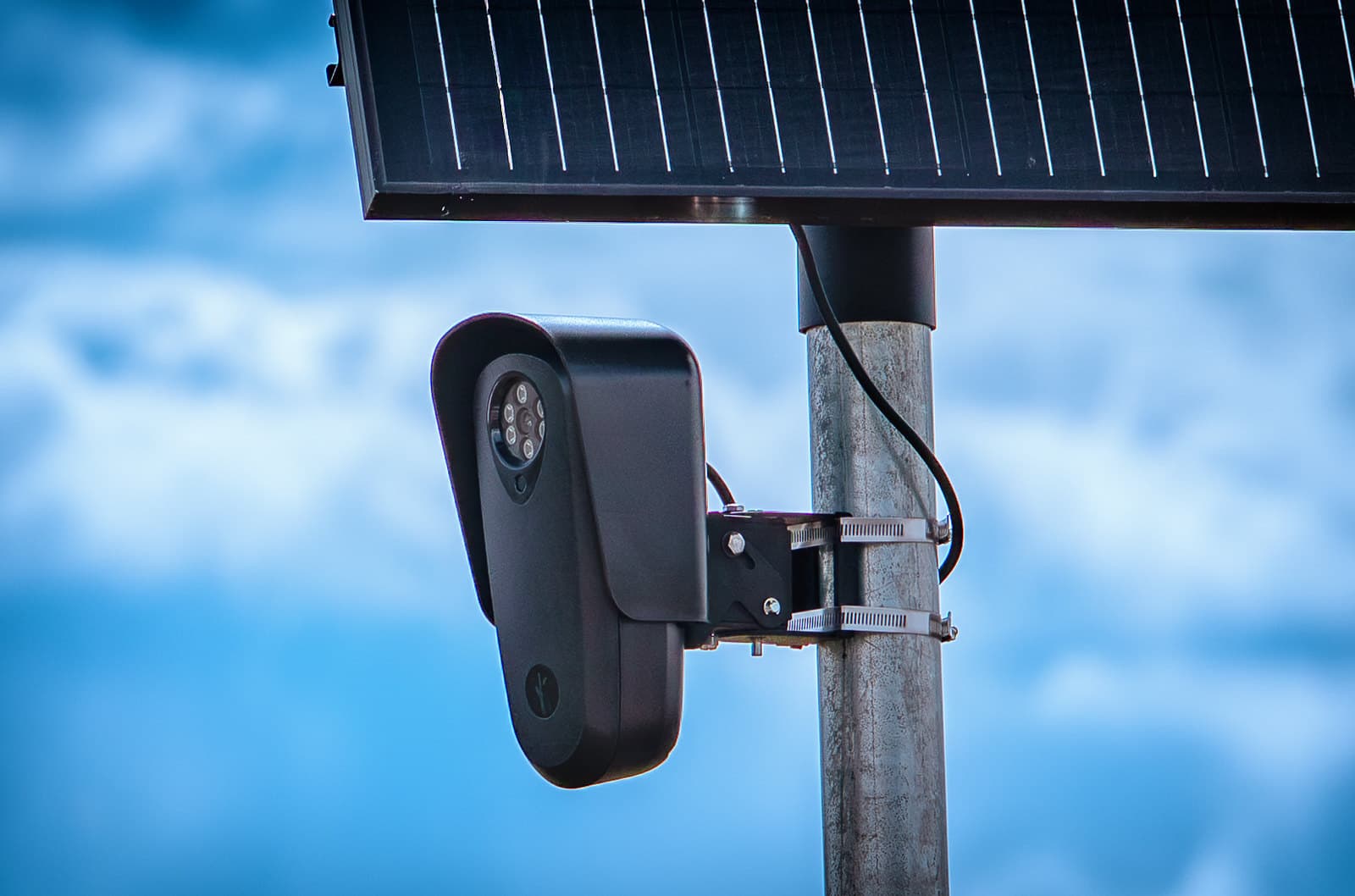
Sens. Bernie Sanders and Jeff Merkley and Rep. Alexandria Ocasio-Cortez unveiled the Ban Flock Act on Friday, proposing to bar federal agencies from using automated license plate readers or accessing the data they collect. The bill would also condition federal grants to state and local governments on their not using the technology. Its central argument is that limits on individual searches cannot adequately protect people when cameras routinely record their vehicles’ movements.
That is a sharper response than regulating who may run a search. The bill would end federal access and give local governments a financial reason to reconsider their cameras. The bill would bar federal agencies from using the technology; whether state and local agencies stopped using it would depend on their response to the grant condition.
Who controls the data?
Automated license plate readers turn passing vehicles into searchable records. Flock provides cameras and a platform for storing and searching images, but says its customers control whether to share their data. That distinction matters: the organization using a camera decides who may access its records, not each driver whose vehicle passes it.
Flock says searches are logged. A log can help identify a search after it happens; it does not give drivers a chance to refuse collection or necessarily prevent an improper search. The sponsors’ concern goes beyond individual misuse to the power created by making records of ordinary travel available for later inspection.
The privacy question is therefore also a governance question. Who sets sharing rules, who checks that searches follow them, and what happens when an agency gives another agency access? Company safeguards and customer control may constrain use, but neither amounts to a driver’s consent to being recorded.
What would the Ban Flock Act change?
Under the proposal, federal agencies would be barred from using automated license plate readers or accessing their data. State and local governments that use the readers or contract with reader companies would face a condition on federal grants. The approach reaches beyond Flock’s products because it targets the technology, not just one seller.
Free newsletter
Get the morning briefing
Start each day with the stories that matter and why — a short, free email from our newsroom.
The grant condition is not a direct nationwide prohibition on every local or privately installed camera. A state or local government’s choice would instead carry a potential federal funding consequence. For residents assessing the bill, the distinction matters: it would end federal use and seek to change local decisions through grants, rather than automatically remove every camera.
It also places responsibility with local decision-makers. An agency could not answer concerns about its cameras merely by pointing to Flock’s policies. It would have to weigh continued access to plate data against the federal grants covered by the bill. The available description does not establish which grant programs would be affected.
Can safeguards preserve the systems’ benefits?
The strongest case for keeping the systems is that plate data can help investigators and that enforceable limits could curb misuse without discarding the tool. Flock CEO Garrett Langley said in a statement reported by CBS News, “Effective frameworks should preserve law enforcement's ability to use an important public safety tool while requiring accountability, oversight and responsible data practices.” That is a case for better rules, not unchecked searches.
Sen. Josh Hawley has proposed a separate approach. CBS News reported that his bill would restrict sharing and retention, prohibit facial recognition on surveillance networks, and require written approval and audit logs for searches. Those measures address what users can do with records. They do not answer the Ban Flock Act sponsors’ deeper objection to collecting the records in the first place.
That distinction matters when data leaves the original camera system. 404 Media reported that VIDIZMO advertised tools to analyze exported Flock data using facial recognition, though its CEO said the specific integration had not been built. That is not evidence that Flock had deployed facial recognition. It raises the question of what protections follow data after export.
Lawmakers face two different tests for public oversight: whether tighter controls make broad collection of vehicle movements acceptable, or whether federal access should end and federal funding should discourage local use. For communities living with the cameras, the grant condition would make that choice a local budget decision as well as a civil-liberties one.


Comments
Comments are written by readers. They are not reporting or opinion from The Wells Post.
Share your view on this story. Criticise ideas and public records, not other readers.
Most comments appear right away; some wait for a moderator first.
Community guidelines
More in our terms and privacy policy.
No comments yet. Start the conversation.