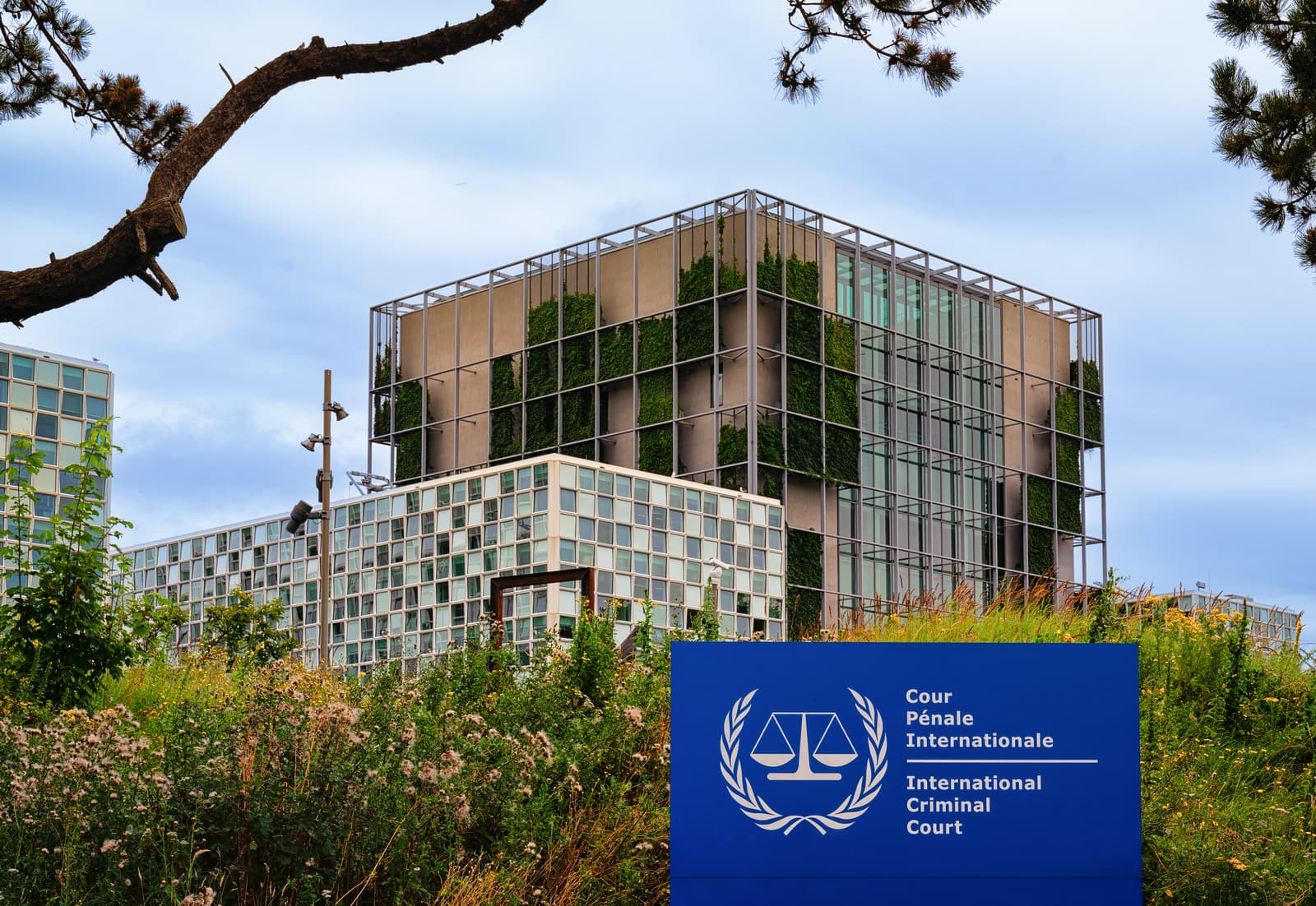
The United States added the International Criminal Court (ICC) as an institution to its sanctions list on Friday, Oct. 9, tightening restrictions on the court’s access to property and transactions under U.S. jurisdiction. The Trump administration says the measures are intended to cut the court’s resources and stop what Washington calls threats to U.S. sovereignty; the ICC’s Trust Fund for Victims warns they could disrupt services for people seeking redress after grave crimes.
The sanctions do not themselves cancel ICC cases or arrest warrants. But by restricting transactions with the court, they could constrain the resources and services it needs to pursue cases and support victims.
What the U.S. sanctions restrict
The Treasury Department’s designation blocks ICC property and interests in property under U.S. jurisdiction. It generally bars U.S. persons from transactions with the court unless Treasury authorizes them. The move expands earlier sanctions against court personnel: the ICC says 13 of its judges and prosecutors had already been designated.
Treasury issued licenses for some activity to continue. One allows specified ordinary transactions needed to maintain or wind down ICC operations, including member-state payments, salaries, insurance and rent, through April 7, 2027. Separate licenses cover certain telecommunications and enterprise software, pensions, and transactions related to listed detainees.
Those permissions are limited and do not remove the court from the sanctions list. The license for ordinary operations also does not authorize transactions involving other blocked people unless Treasury separately permits them. The sanctions do not themselves cancel existing cases or arrest warrants; those remain in force unless the court orders otherwise. Restrictions on resources and services may still make the court’s work harder.
Why the administration says it acted
The ICC investigates and prosecutes genocide, crimes against humanity, war crimes and the crime of aggression. Its 125 member states entrusted it with that mandate. Neither the United States nor Israel is a party to the treaty that established the court, but the ICC says it can exercise jurisdiction over alleged crimes committed on territory within its jurisdiction, including when an accused person is a national of a nonmember state.
The Trump administration says the court has exceeded its authority and unfairly targets Americans and U.S. allies. CBS News reported that Secretary of State Marco Rubio said in a statement announcing the measures: “Either the ICC will end its threats, or we will end the ICC”. He has said the sanctions are meant to cut the court’s resources and prevent it from acting against the United States.
The sanctions program rests on an executive order President Donald Trump signed on Feb. 6, 2025. In July 2026, Rubio announced a U.S. campaign to dismantle what he described as a threat to U.S. sovereignty. The new designation extends pressure from individual judges and prosecutors to the institution itself.
The U.S. campaign comes as the court has pursued cases involving Israeli officials. In November 2024, ICC judges issued arrest warrants for Israeli Prime Minister Benjamin Netanyahu and former Defense Minister Yoav Gallant over alleged crimes in Gaza. The judges found reasonable grounds to believe the two bore responsibility for specified crimes; that finding is not a conviction.
The ICC has no police force of its own and relies on governments to arrest suspects and transfer them to The Hague. That dependence makes cooperation by states central to enforcement. The U.S. measures do not erase the warrants, but their effect on the court’s resources could complicate its ability to advance cases.
What the sanctions could mean for victims
The ICC Trust Fund for Victims warned that the restrictions could disrupt financial channels, services and partnerships used to provide reparations and assistance. The Fund identified physical, psychosocial and socioeconomic rehabilitation, education and peacebuilding among its work. It urged states, businesses and individuals to support that work.
Free newsletter
Get the morning briefing
Start each day with the stories that matter and why — a short, free email from our newsroom.
These are potential effects, not confirmed suspensions of programs. Treasury’s licenses allow some specified transactions for a limited period, while leaving the ICC designated and excluding activity beyond the permissions they list.
ICC President Tomoko Akane said the court would continue its work independently and impartially, “acting only on the basis of the law and the evidence, for the sake of the countless victims of grave crimes,” Courthouse News Service reported. The court has asked its 125 member states to help provide the resources needed for its operations.
The administration presents its action as a defense of U.S. sovereignty against a court it says has overreached. The ICC and its supporters see institutional sanctions as interference with the court’s work and the pursuit of accountability. The practical consequences could reach victims if the restrictions disrupt the services and partnerships the Trust Fund relies on.
Allies challenge the sanctions as the ICC seeks support
The European Union called the U.S. action regrettable and said it would work with the ICC. EU officials said a six-month period offered time for dialogue and raised the possibility of using the bloc’s blocking mechanism, which can bar European companies from complying with certain U.S. sanctions. The mechanism was discussed as a possible response, not an action already taken.
Foreign ministers from Canada, Denmark, Germany, France, Italy, Japan, the Netherlands and the United Kingdom said they disagreed with the sanctions and warned of significant effects on the court, its staff and their families. Dutch Prime Minister Rob Jetten told Euronews, “We will do whatever we need to defend the ICC.”
Netanyahu’s office welcomed the U.S. measures and described the ICC as a political body that threatens national sovereignty. The arrest warrants at the center of that dispute concern alleged crimes; they are not findings of guilt.
The court is looking to its member states for operational support. Treasury’s authorization for specified transactions to maintain or wind down ICC operations is scheduled to expire April 7, 2027.

Comments
Comments are written by readers. They are not reporting or opinion from The Wells Post.
Share your view on this story. Criticise ideas and public records, not other readers.
Most comments appear right away; some wait for a moderator first.
Community guidelines
More in our terms and privacy policy.
No comments yet. Start the conversation.