At a campaign rally in Grand Island, Nebraska, on Oct. 5, President Donald Trump raised the prospect of Iran striking Los Angeles and San Diego, then framed the loss of the cities as a small cost in the effort to keep the country safe. The crowd laughed and cheered; California officials condemned the remarks, while the White House said Trump was describing the danger of a nuclear-armed Iran, not calling for an attack.
The comments do not establish a U.S. policy to accept or invite an attack, or show that Iran can strike the mainland. They do raise a question about how a president’s words can treat civilian safety as a price in a political argument about war.
Why did Trump say Iran could strike Los Angeles and San Diego?
Trump spoke about the Iran war and its economic fallout, including high gas prices, and argued that the costs were justified by the goal of keeping the country safe. He then named Los Angeles and San Diego as cities Iran could hit and described that outcome as a small cost to pay.
He did not clearly explain whether he was describing a hypothetical threat, an actual military possibility or a trade-off he accepted. The rally remarks and the response they drew left that distinction unresolved.
On Oct. 6, White House Communications Director Steven Cheung said Trump was talking about the threat a nuclear-armed Iran could pose, not advocating an attack. Cheung’s explanation presents the remarks as a warning about what might happen if Iran acquired nuclear weapons. It is the administration’s interpretation, not confirmation of Trump’s precise intent.
That distinction matters. A warning that a government could threaten U.S. cities is different from saying those cities could be sacrificed. Trump’s phrasing connected the possibility of urban destruction to the costs of the war without making clear how he meant the comparison.
Why did the crowd cheer?
The audience laughed and cheered as Trump spoke. But the reporting does not establish why individual people reacted that way, so the response cannot show whether they supported the prospect of an attack, agreed with his argument about the war’s costs or were responding to another part of the speech.
The immediate context was a rally argument about economic pain and national safety. Trump had connected the war’s costs, including higher fuel prices, to keeping the country safe. That may explain the subject of the exchange, but it does not establish the reason for the cheers.
A rally reaction is not a policy decision or a reliable measure of what every attendee believes. Treating it as proof that the crowd wanted American cities attacked would go beyond what the reported reaction tells us.
Still, the cheers matter as part of the public exchange: a possible attack on two cities was discussed in front of an audience as part of an argument about the price of war. The reaction does not settle what Trump intended, but it helps explain why the remarks drew attention beyond the rally.
Free newsletter
Get the morning briefing
Start each day with the stories that matter and why — a short, free email from our newsroom.
Why did California officials object?
California Gov. Gavin Newsom condemned the remarks and said he was directing the state’s threat assessment center to monitor whether foreign actors might interpret them as an invitation to target California. That was Newsom’s stated concern; it does not establish that any actor had interpreted the remarks that way.
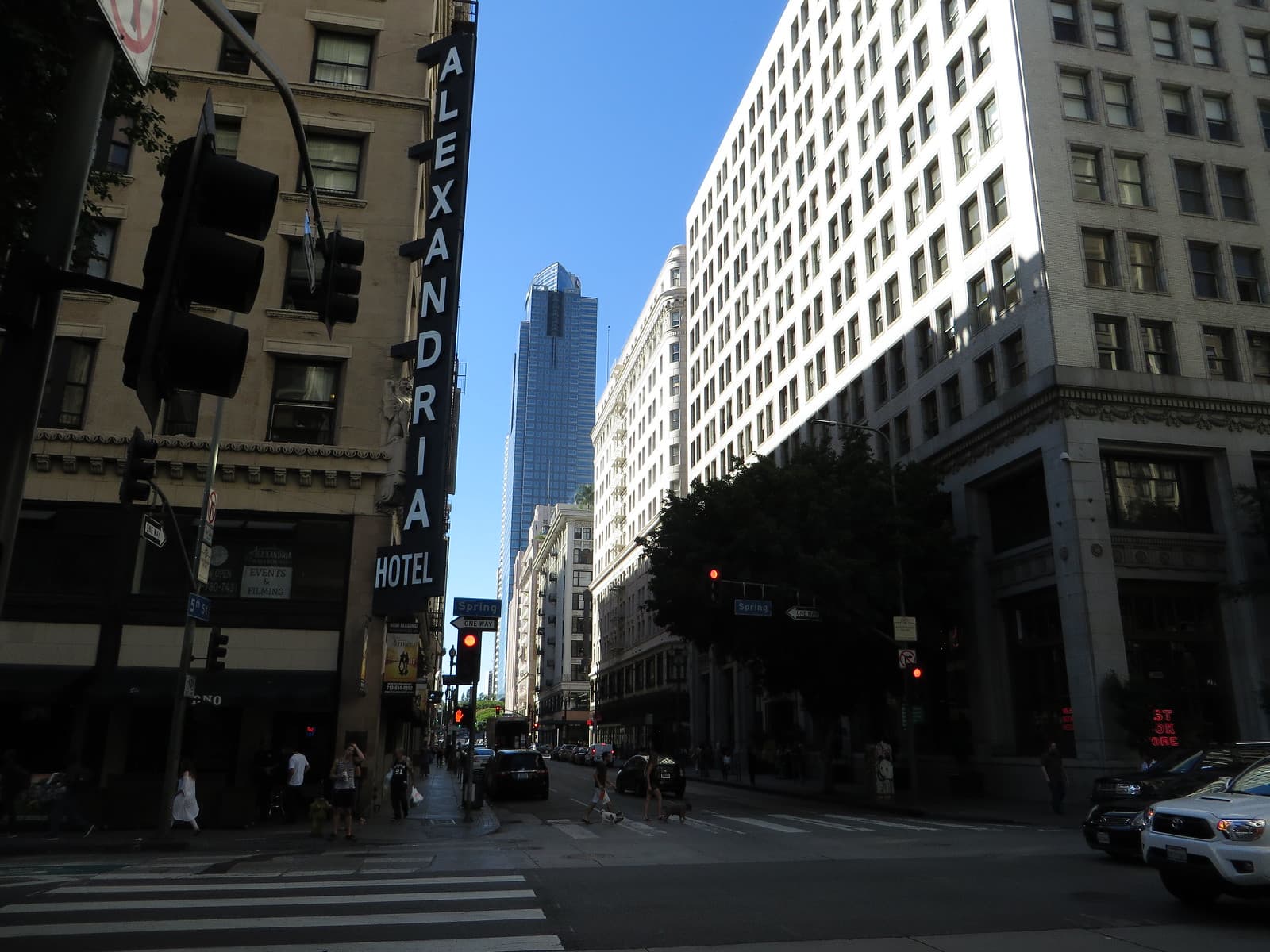
Los Angeles Mayor Karen Bass said the president should protect the country rather than encourage attacks on Americans. San Diego Mayor Todd Gloria rejected treating his city as expendable. Bass and Gloria’s statements were reported by CBS News.
Their objections center on the people who live and work in the cities named, rather than on an abstract calculation of wartime costs. CBS reported that 70,000 civilians and active-duty service members live and work at Marine Corps Base Camp Pendleton near San Diego. Trump did not identify Camp Pendleton as a target, and that figure does not mean the base or its community was the subject of his remarks.
The language also put local officials in the position of responding to a president’s public words about their residents’ safety. Newsom’s monitoring announcement describes a precaution he said he would take, not evidence that a threat was confirmed.
Was this a policy decision or a confirmed Iranian threat?
No policy decision to accept or invite an attack is established by the rally remarks or the White House response. The reporting also does not establish that Iran can launch a missile strike on the U.S. mainland, or that Trump’s comments rested on intelligence about such an attack.
Those are separate questions from whether Iran could pose a danger under some future circumstances. Cheung’s explanation addressed a hypothetical nuclear threat. It did not, by itself, demonstrate a current Iranian ability to strike Los Angeles or San Diego, and the remarks did not disclose evidence for that claim.
That gap is central to the criticism. If a president invokes danger to justify the costs of war, the public has a reason to ask what threat is being described and what evidence supports it. Here, the remarks did not clarify the basis for naming the two cities, and the administration’s explanation did not establish a mainland missile capability.
Threats involving civilians carry weight even when they are not formal orders. Describing a city’s destruction as an acceptable cost can blur the line between warning people about a danger and speaking as though their lives can be discounted. The mayors’ response underscores that the people in those cities are not simply entries in a debate over fuel prices or military strategy.
The open questions remain concrete: what Trump intended by the comparison, what evidence informed his description of the danger, and whether the administration will provide a clearer account. The remarks alone do not answer them—and do not establish a policy to put either city at risk.
Comments
Comments are written by readers. They are not reporting or opinion from The Wells Post.
Share your view on this story. Criticise ideas and public records, not other readers.
Most comments appear right away; some wait for a moderator first.
Community guidelines
More in our terms and privacy policy.
No comments yet. Start the conversation.