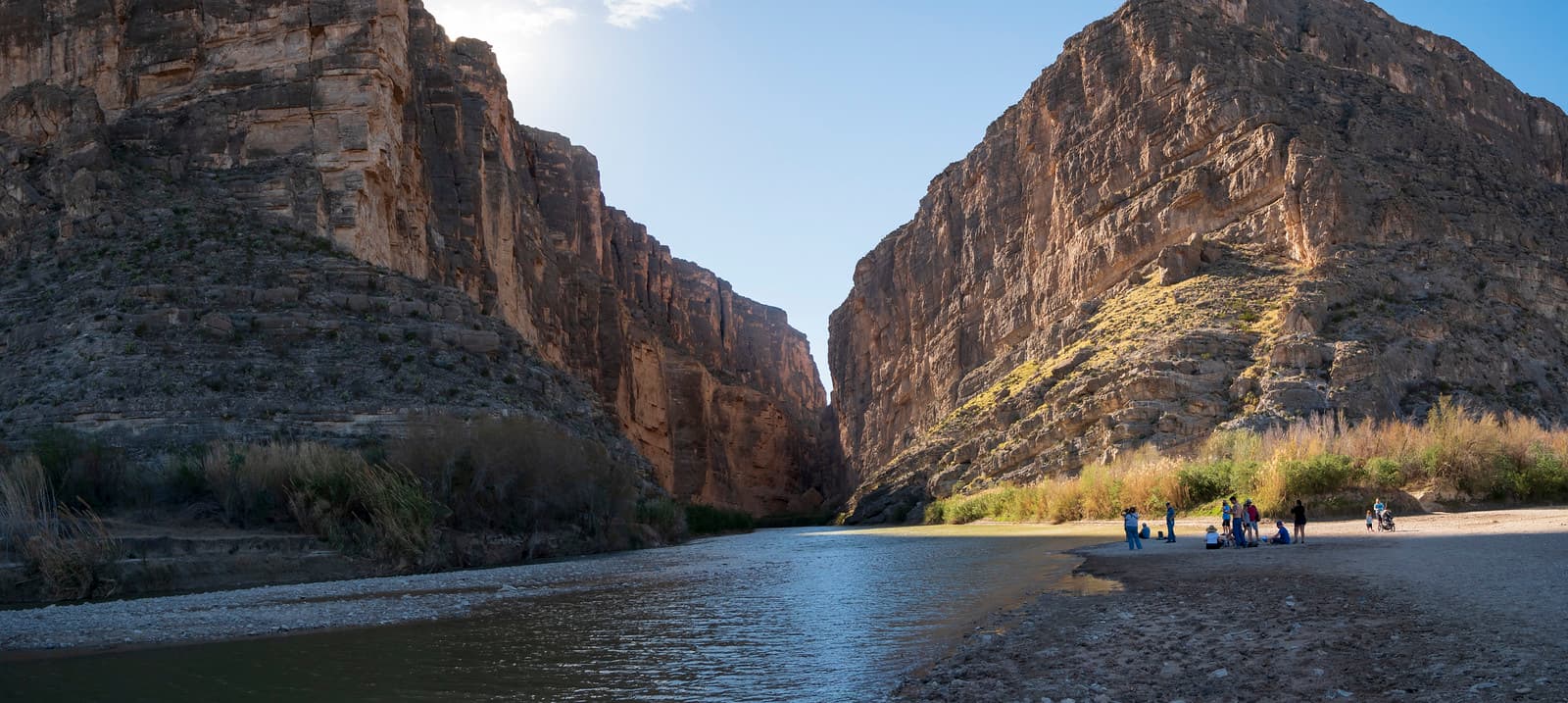
U.S. District Judge Kathleen Cardone halted border-wall construction and ground-disturbing work in Texas’ Big Bend Sector on Friday, giving residents worried about river access, private property and public lands a reprieve while a lawsuit proceeds. The preliminary injunction applies across the sector, not just to Big Bend National Park.
The ruling does not permanently ban a wall. It shifts the immediate burden: the government cannot continue the covered work under three federal waivers whose effect Cardone has stayed for the injunction’s duration. Construction can proceed if the government complies with applicable laws or the court orders otherwise. Whether the administration can ultimately build what it has planned remains unresolved.
The halt reaches beyond the national park
Cardone’s signed order bars border barriers, related infrastructure and other construction or ground-disturbing activity in the Big Bend Sector under those conditions. That includes more than putting up a wall: the administration’s plans also encompass roads, vehicle barriers and surveillance equipment.
The geographic reach matters. The sector runs roughly 500 miles, about a quarter of the U.S.-Mexico border, according to Associated Press reporting on the ruling. The Texas Tribune reports five contracted border-wall projects in the region, with infrastructure contracts totaling more than $7.5 billion. Those contracts are a measure of the planned regional effort, not a price tag for work already completed.
Cardone found that the plaintiffs were likely to prevail on at least one claim and likely to suffer serious irreparable harm without an injunction. She also found that the balance of interests and the public interest favored relief. Those are findings about whether to grant protection while the case continues, not a final judgment that the project or its federal waivers are unlawful. The order says a fuller explanation will follow.
The timing made the court’s intervention consequential. U.S. Customs and Border Protection had announced a construction pause in August, but that pause expired Wednesday. A judge denied a temporary restraining order in a different case concerning work in and around Big Bend National Park on Thursday. Cardone’s Friday order, issued in the Friends of the Ruidosa Church case, is a separate ruling with a broader geographic scope.
River access and property are part of the case
The plaintiffs include Friends of the Ruidosa Church and a Big Bend river guide and landowner. The Texas Tribune identified the landowner as Danny William Miller, whose Redford property could be affected by the proposed wall. Miller testified that construction across his land could cut off river access and damage his river-guiding work.
That concern is not interchangeable with a general objection to the wall. A route that blocks access to the Rio Grande could change how a person uses their land and earns a living. The church group’s preservation interests raise a different question: what happens to historic and cultural places when construction moves ahead under waivers of laws intended to protect them? The plaintiffs have raised those concerns; Cardone has not yet decided their merits.
Other residents have described potential costs beyond the plaintiffs’ properties. A Hudspeth County rancher testified about the effect a barrier could have on his ranch. Conservation advocates have raised concerns about wildlife, recreation and the landscape. The National Parks Conservation Association has urged the administration to consult local residents, consider alternatives and repair damage it says has already occurred.
The injunction stops covered new work for now. It does not itself restore damaged land, guarantee continued access to any particular property or require the government to adopt residents’ preferred route. Those questions still matter to people who live and work along a proposed barrier, even while construction is halted.
Border security is the government’s case
The Department of Homeland Security says additional barriers and roads are needed to prevent unlawful entries and advance operational control of the border. Its Big Bend waiver notice designated the sector an area of high illegal entry and cited more than 89,000 Border Patrol apprehensions there from fiscal years 2021 through 2025. That is the agency’s rationale, not a finding Cardone made about the need for these projects.
Free newsletter
Get the morning briefing
Start each day with the stories that matter and why — a short, free email from our newsroom.
Congress gave the homeland security secretary authority under a 1996 law to waive legal requirements deemed necessary for expedited border-barrier and road construction. The Big Bend waivers covered environmental, historic-preservation and other laws. Supporters of the project can make a serious case that a border-security agency needs room to respond across a long, difficult-to-patrol sector. The question before the court, however, includes whether this use of waiver authority and the resulting construction can withstand the plaintiffs’ legal challenges.
Scale complicates the security argument without settling it. The Texas Tribune reports that Big Bend accounts for between 1% and 3% of annual U.S. Customs and Border Protection migrant apprehensions. That share does not erase the apprehensions DHS cited: one figure is a share of nationwide annual totals, while the other counts apprehensions in the sector over five fiscal years. Neither number, by itself, establishes whether the planned barriers are necessary or whether affected landowners’ and preservation concerns have been adequately addressed.
The plaintiffs also challenge the government’s waiver authority and raise constitutional objections involving separation of powers and the taking of citizens’ land. Cardone’s preliminary ruling offers them relief, but it does not establish that any taking occurred or decide those constitutional claims.
The next decision will define the legal path
For now, the three named Big Bend waivers cannot do the work the administration intended them to do. Cardone stayed their effect for the duration of the injunction; she did not permanently invalidate them. The government must comply with applicable laws before undertaking the barred work, unless the court orders otherwise.
That leaves consequential decisions with both the court and the administration. Cardone has yet to explain fully which legal claim supports the injunction. The government has not announced in the material available whether it will revise its plans, seek to change the order or challenge it. The administration had been considering adjustments to its park plans before the ruling, but no final decision had been announced.
The immediate result is concrete: crews cannot carry out the covered construction and ground-disturbing work across the sector under the stayed waivers. For landowners and communities seeking a say in what happens to river access, historic places and public lands, the unresolved question is what protections will govern if the government tries to proceed.
Comments
Comments are written by readers. They are not reporting or opinion from The Wells Post.
Share your view on this story. Criticise ideas and public records, not other readers.
Most comments appear right away; some wait for a moderator first.
Community guidelines
More in our terms and privacy policy.
No comments yet. Start the conversation.